IMAGE PLACEMENT / 23 OCTOBER 2026
Symmetrical face calculator: when image placement produces no score
Our planned left, center and right placement test produced no numeric scores: all nine uploads returned “No face found.” The same original portrait, uploaded without the added canvas afterward, scored 98.0 in three diagnostic checks. We therefore cannot tell you how the score changes between these placements. The useful result is the detection failure, not an invented score difference.
What changed, and what stayed fixed
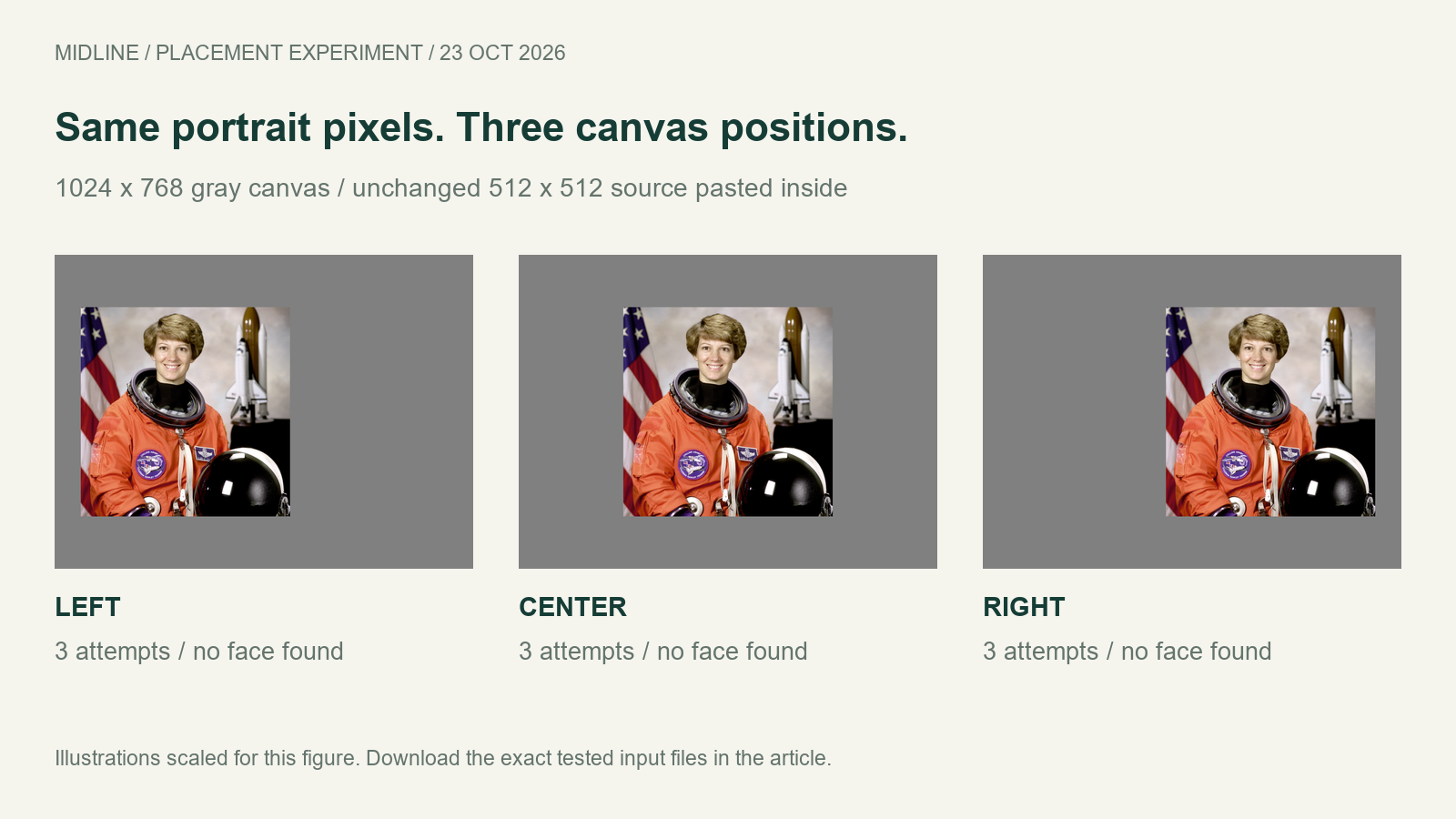
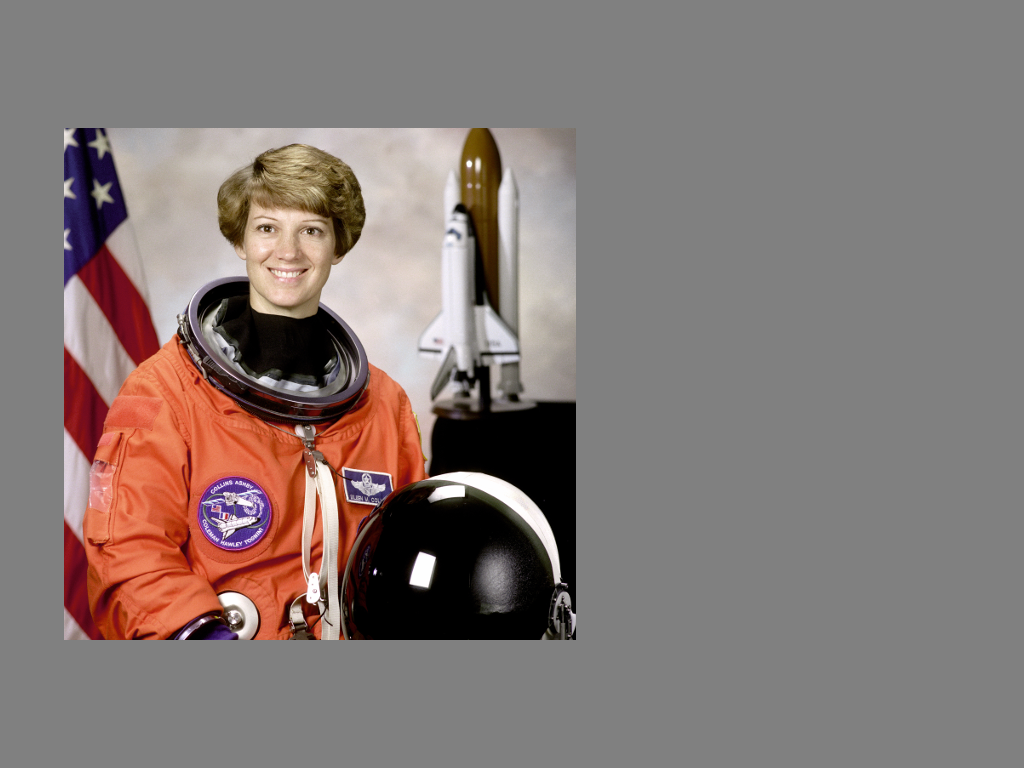
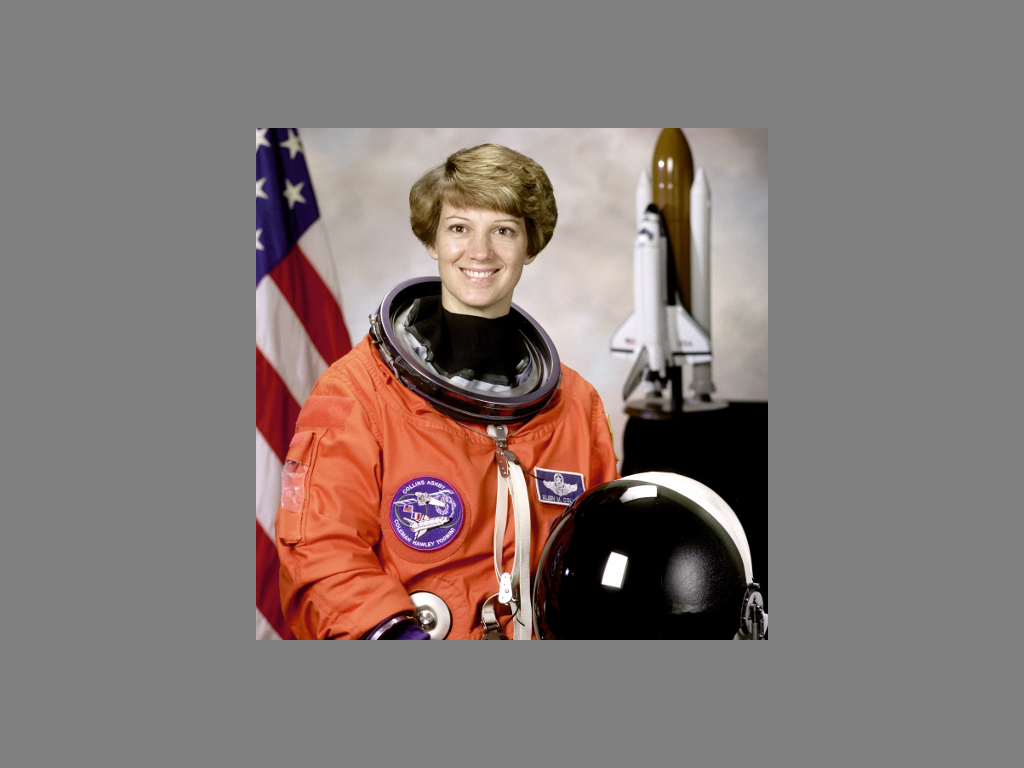
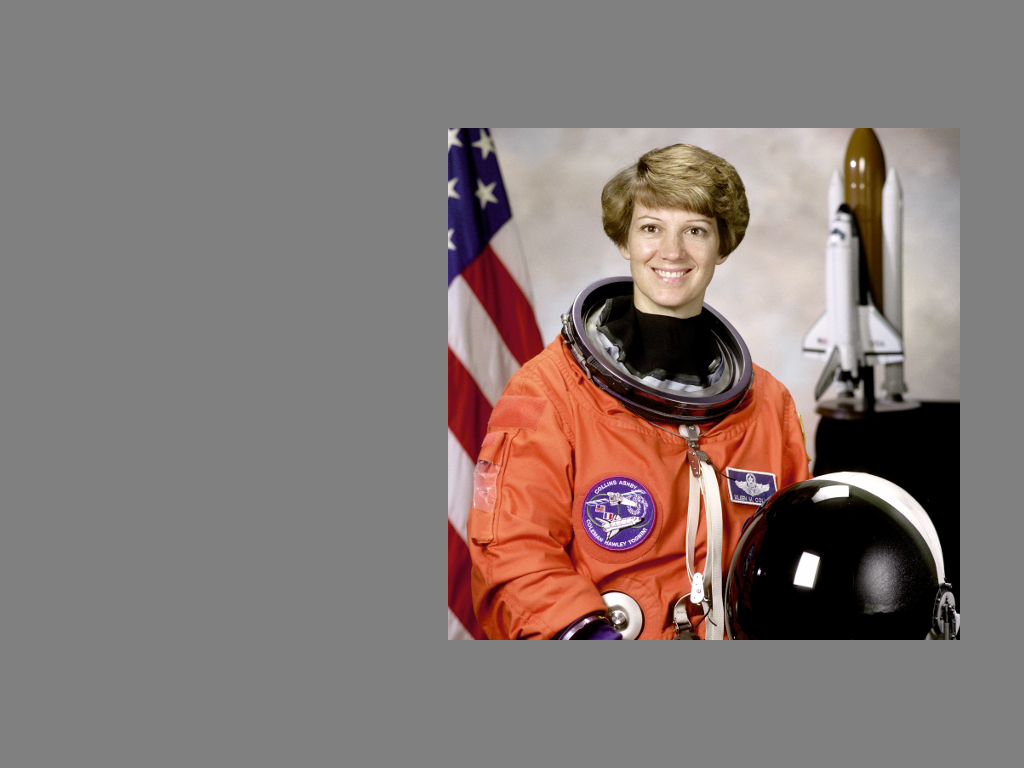
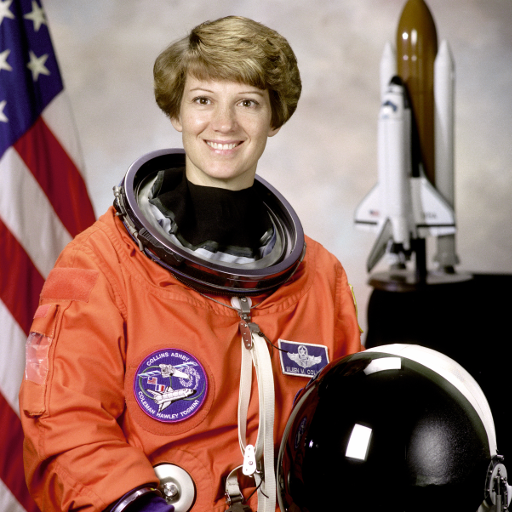
We took one public 512 × 512 astronaut portrait and pasted it onto three 1024 × 768 gray canvases. The portrait's top-left positions were (64, 128), (256, 128) and (448, 128) pixels. Across these three files, the canvas size, background color, portrait scale and portrait pixel values stayed fixed. Only horizontal placement changed.
No face was rotated or photographed from a new angle. We did not crop the source portrait, interpolate its pixels or change its expression. The figure above is scaled for display; the actual experiment used the downloadable input files at their original dimensions.
This is a different input question from our image-size experiment, which resampled a portrait. It also differs from the camera-position case, where new photographs introduced several capture differences.
The planned test failed before scoring
On 23 October, we uploaded the left file three times, then the center file three times, then the right file three times in the same Chrome tab on Windows. We waited for each analysis to finish. Every planned attempt showed the same message: “No face found. Try a clear, front-facing photo with one visible face.” The total and all five feature fields remained blank dashes.
We then added a diagnostic control that was not in the original three-condition plan: three uploads of the unpadded source portrait. Every control completed, with 98.0 overall, eyes 98.0, eyebrows 98.2, nose 98.2, mouth 97.1 and jaw 98.6. This later check shows that the tool could still produce an output for that source file in the same session. It does not isolate why the padded inputs failed.
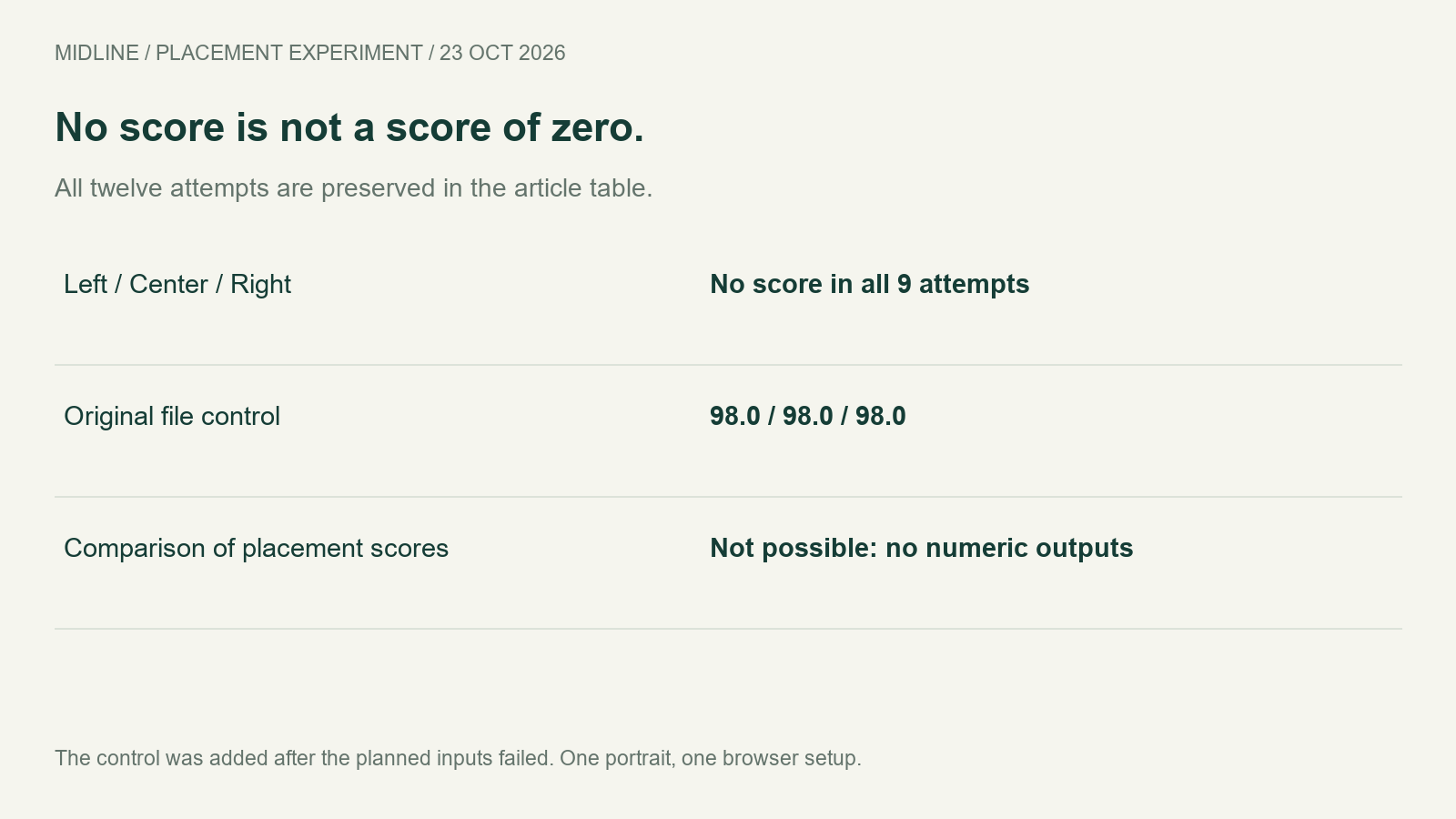
| Input | Repeat | Overall | Eyes | Eyebrows | Nose | Mouth | Jaw | Status |
|---|---|---|---|---|---|---|---|---|
| Left | 1 | — | — | — | — | — | — | No face found |
| Left | 2 | — | — | — | — | — | — | No face found |
| Left | 3 | — | — | — | — | — | — | No face found |
| Center | 1 | — | — | — | — | — | — | No face found |
| Center | 2 | — | — | — | — | — | — | No face found |
| Center | 3 | — | — | — | — | — | — | No face found |
| Right | 1 | — | — | — | — | — | — | No face found |
| Right | 2 | — | — | — | — | — | — | No face found |
| Right | 3 | — | — | — | — | — | — | No face found |
| Original control | 1 | 98.0 | 98.0 | 98.2 | 98.2 | 97.1 | 98.6 | Analysis complete |
| Original control | 2 | 98.0 | 98.0 | 98.2 | 98.2 | 97.1 | 98.6 | Analysis complete |
| Original control | 3 | 98.0 | 98.0 | 98.2 | 98.2 | 97.1 | 98.6 | Analysis complete |
There are no numeric placement results to subtract or average. We cannot calculate a left-to-right score range from missing values, and the control's 98.0 cannot fill those cells. The record contains one source portrait, nine planned attempts and three added diagnostic attempts, not twelve independent people.
Why the calculator cannot answer the original comparison yet
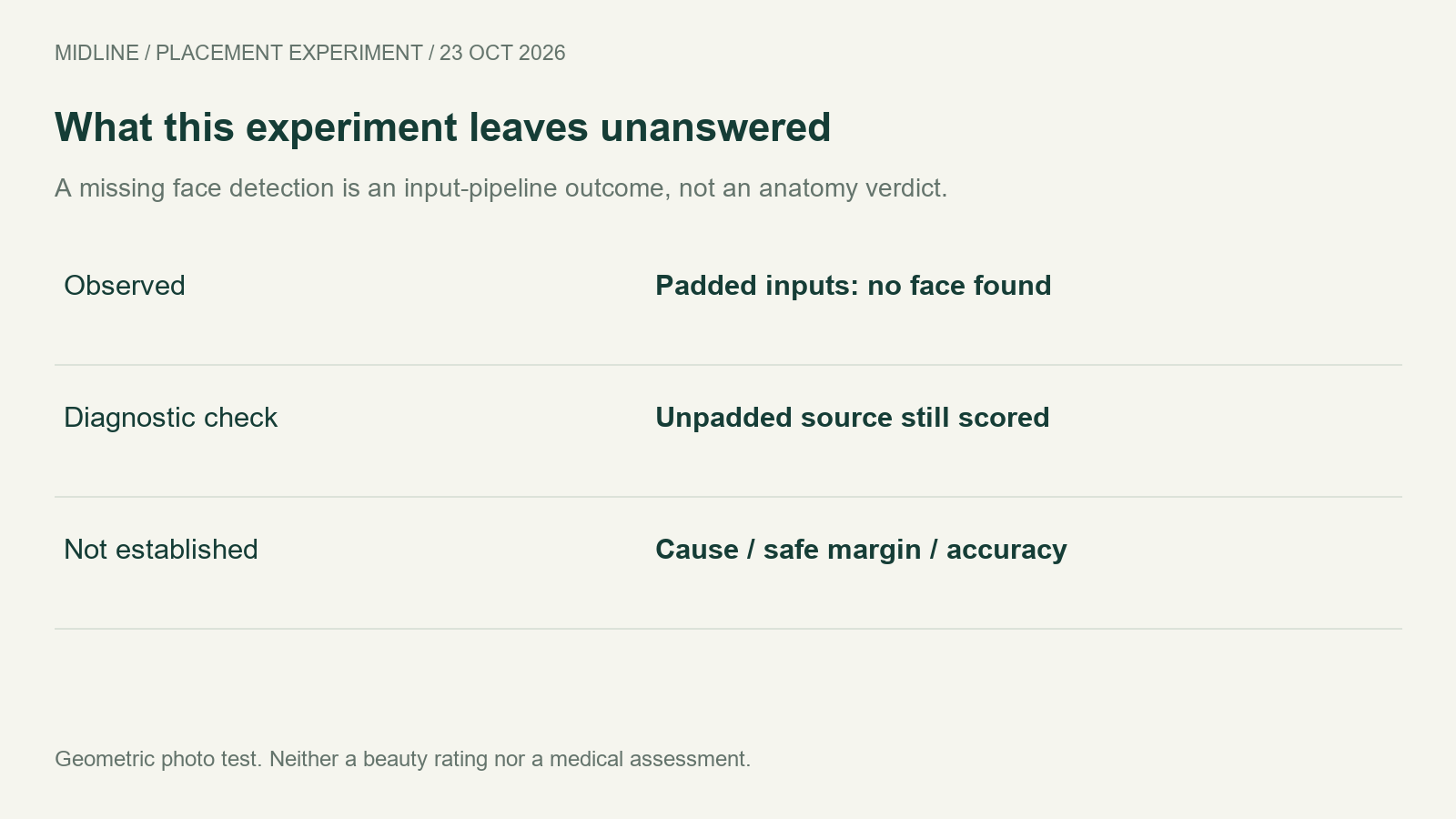
In the site's implementation, face detection happens before landmark comparison and scoring. If no face is detected, the app clears the result and returns a message. A failed detection therefore supplies no measurement of facial symmetry and no evidence that a face is unusually asymmetric.
Even the centered padded file failed in all three attempts. That observation does not support a simple promise that centering alone will fix this input. The unpadded control also differs in canvas dimensions, surrounding background and the portrait's share of the image, so it is not a comparison that isolates any one of those factors.
Translating a fixed set of geometric coordinates together can leave a normalized reflection calculation unchanged. But this protocol did not translate an already detected landmark set. It supplied differently positioned pixels to a detection pipeline, which did not yield a landmark score for these files. Mathematical invariance of a formula is not a detector-performance guarantee.
This study does not establish a safe border width, a minimum face size, a detection success rate for other images, or the internal reason for rejection. It includes one portrait, one gray background, one browser/device session and fixed app/model files. We did not change a detection threshold or bypass the failure to obtain a number.
Try a reproducible check
The exact inputs are available as left, center, right and the later original control. Our observation record includes every timestamp, field, message, input hash and app/model hash. The recorded protocol amendment identifies the control as added after the failures.
When comparing your own attempts, keep the original image, note any editing or extra borders, and retain failed attempts as well as successful ones. Try the original front-facing photo if an edited copy cannot be detected, but treat that as a troubleshooting step rather than a guarantee. Inspect the overlay when a result is available.
Quick answers
Does “No face found” mean my symmetry score is zero?
No. It means this attempt did not produce a face detection for scoring. The tool cannot infer your geometric symmetry from that missing measurement.
Do these results prove the face must be centered?
No. All three padded positions failed here, including center. Since no planned input received a score, this test cannot rank the positions or identify a best placement.
Can I compare these numbers with another symmetrical face calculator?
Check what each tool measures and how it handles missing detections. A product-specific score is not automatically interchangeable with another tool's output. These are photo-geometry readings, not beauty ratings or medical assessments.
Watch the placement experiment
English transcript
Sources and scope
Primary evidence: our twelve recorded browser attempts. Input provenance: scikit-image's public astronaut portrait documentation, derived from NASA imagery. The prior written protocol is distinguished from the later diagnostic control in the observation record. No competitor result or historical tool claim is presented as our measurement.
Try the face symmetry test ↗Compare the photo variables and capture checklist in our facial asymmetry evidence guide.