WEBP ENCODING / 25 OCTOBER 2026
Symmetrical face test online: does WebP encoding change the score?
In this one-portrait test, changing WebP encoding changed the displayed score: lossless scored 98.0, lossy quality 80 scored 97.9, and lossy quality 20 scored 97.1. Each file was uploaded three times and repeated its displayed total and all five feature readings. The overall range was 0.9 score points. This is an observation about these files and this tool, not a change in a person.
A short walkthrough
English transcript
Changing WebP encoding changed the displayed symmetry score in our small online test. The person and framing stayed fixed. We used one public astronaut portrait at five hundred twelve pixels square. One version was lossless, and two used lossy encoder settings of eighty and twenty. Those settings are not percentages of facial symmetry or compression. We uploaded each file three times in the same Chrome tab. The lossless total was ninety eight point zero each time. Quality eighty returned ninety seven point nine each time. Quality twenty returned ninety seven point one each time. The difference between the largest and smallest displayed totals was zero point nine score points. These were nine uploads of one portrait, not nine people. Every feature reading also repeated for each unchanged file. The mouth reading went from ninety seven point one in the lossless file to ninety five point one in quality twenty. The eye reading moved in the other direction. We did not measure anatomical change or prove detector accuracy. For repeatable comparisons, keep the original file and the same capture conditions. Try the face symmetry test on our site and read the full observations. This measures photo geometry, not beauty or health.
Same picture, different encoded inputs
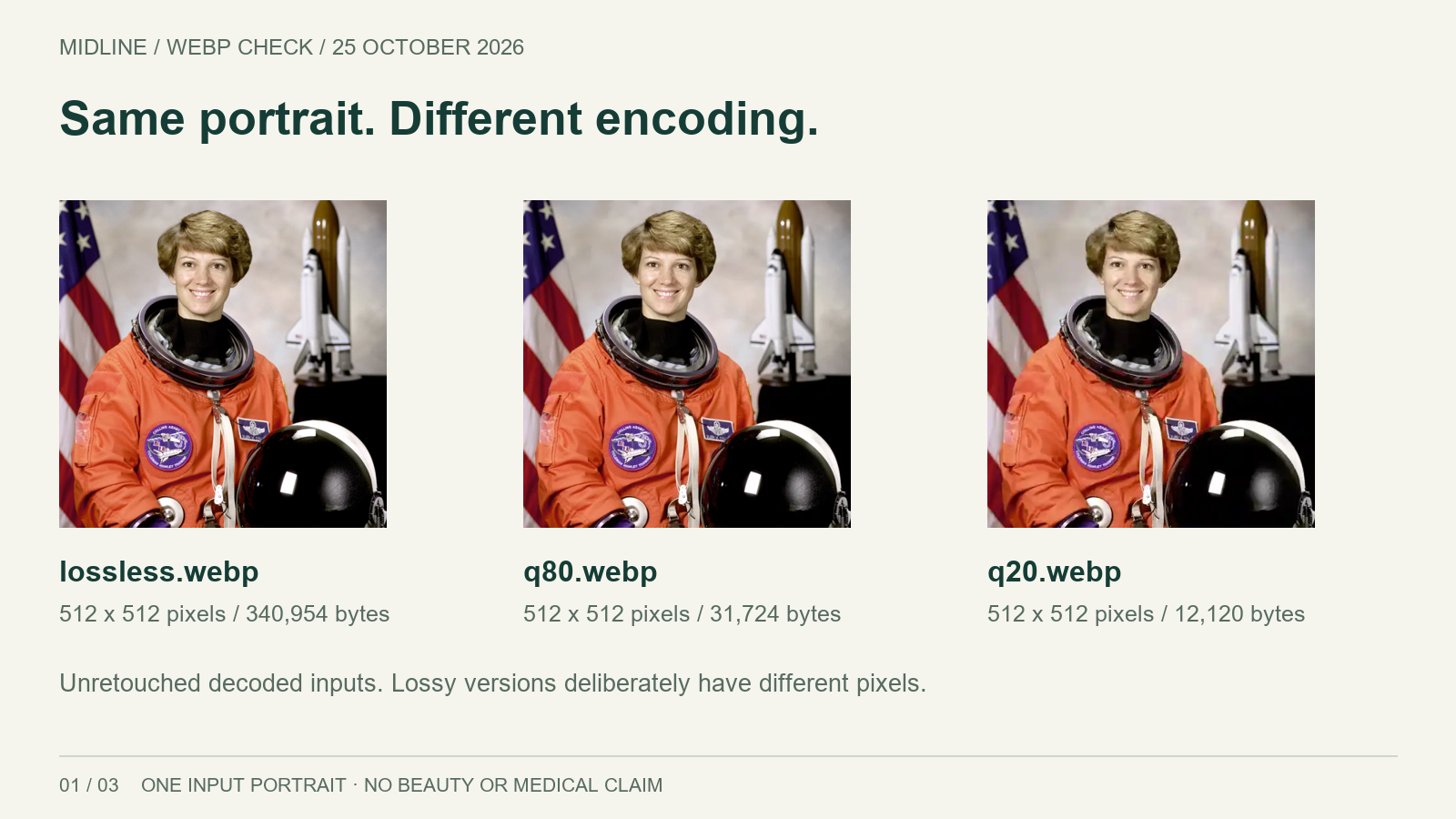
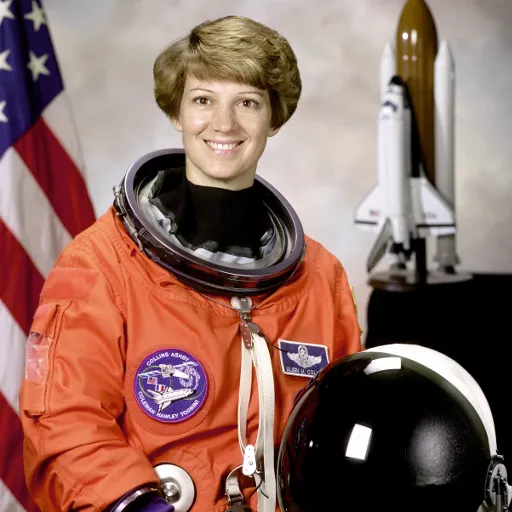
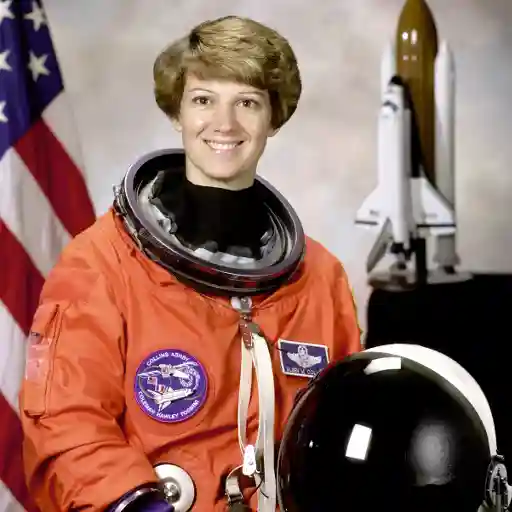
We prepared these inputs before running the test. All came from the same 512 × 512 public astronaut portrait used in our earlier cases. We did not take new photographs, rotate, crop or apply a tone curve. The condition family was WebP encoding: lossless, lossy quality 80, and lossy quality 20.
Decoded RGB bytes in the lossless file match the source PNG. The two lossy inputs do not. File hashes, byte sizes, encoder versions and settings are recorded with the observations. Quality 80 does not mean “80% compression,” and a quality setting is not a symmetry score.
Google’s WebP compression documentation distinguishes lossy and lossless encoding. The Pillow WebP documentation describes the encoder settings. These explain the file preparation; neither source validates our face score.
All nine real uploads
| Input | Repeat | Overall | Eyes | Eyebrows | Nose | Mouth | Jaw |
|---|---|---|---|---|---|---|---|
| lossless.webp | 1 | 98.0 | 98.0 | 98.2 | 98.2 | 97.1 | 98.6 |
| lossless.webp | 2 | 98.0 | 98.0 | 98.2 | 98.2 | 97.1 | 98.6 |
| lossless.webp | 3 | 98.0 | 98.0 | 98.2 | 98.2 | 97.1 | 98.6 |
| q80.webp | 1 | 97.9 | 98.5 | 98.4 | 97.8 | 96.7 | 97.9 |
| q80.webp | 2 | 97.9 | 98.5 | 98.4 | 97.8 | 96.7 | 97.9 |
| q80.webp | 3 | 97.9 | 98.5 | 98.4 | 97.8 | 96.7 | 97.9 |
| q20.webp | 1 | 97.1 | 98.4 | 98.4 | 96.6 | 95.1 | 97.0 |
| q20.webp | 2 | 97.1 | 98.4 | 98.4 | 96.6 | 95.1 | 97.0 |
| q20.webp | 3 | 97.1 | 98.4 | 98.4 | 96.6 | 95.1 | 97.0 |
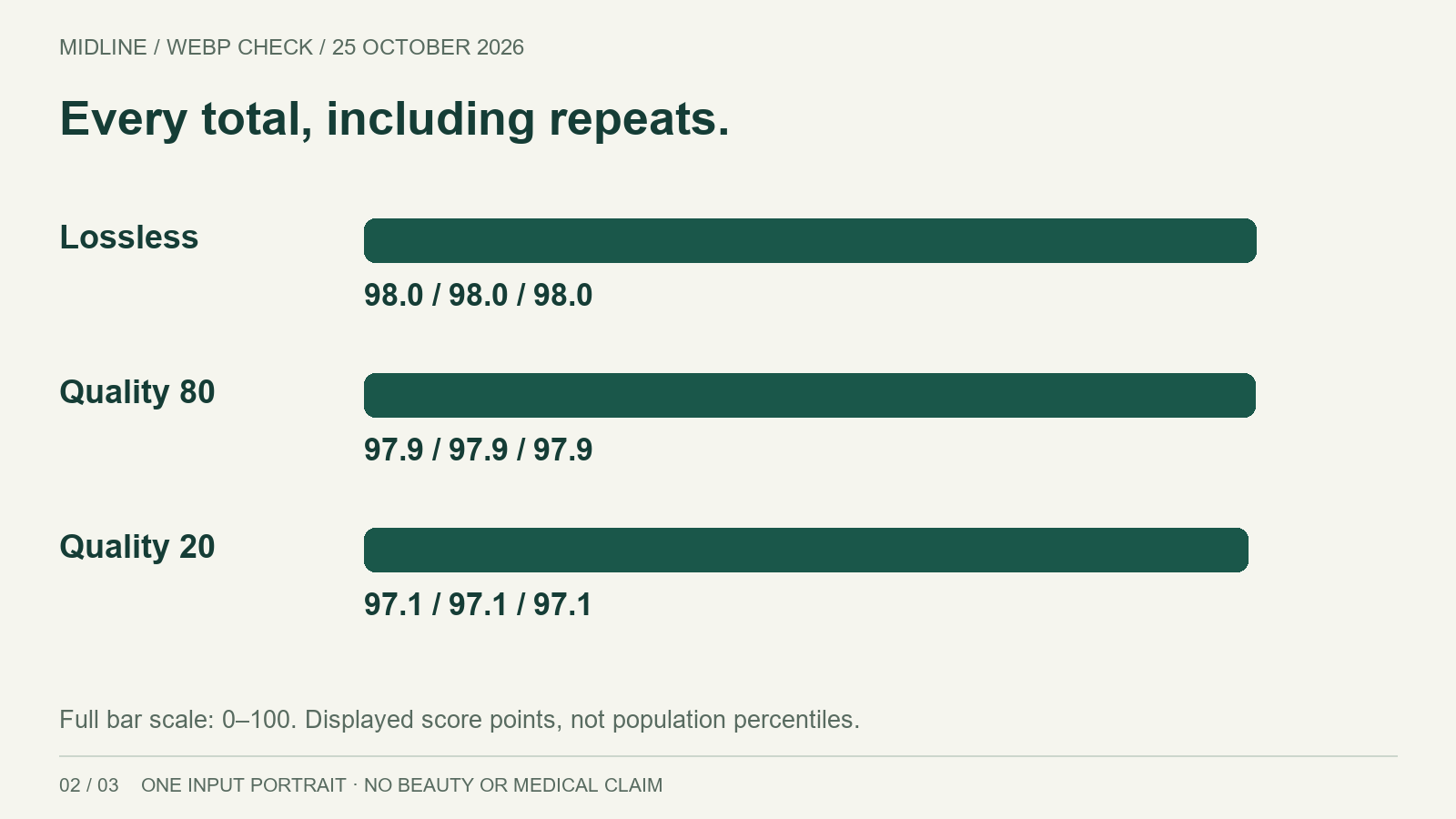
Overall range = max(98.0, 97.9, 97.1) − min(98.0, 97.9, 97.1) = 0.9 score points. Every repeated upload of each unchanged file matched at the displayed precision. Repeating one picture does not expand the person sample.
The quality-20 minus lossless mouth difference was 95.1 − 97.1 = −2.0 points, while eyes changed by 98.4 − 98.0 = +0.4 points. An overall average alone hides those opposite directions.
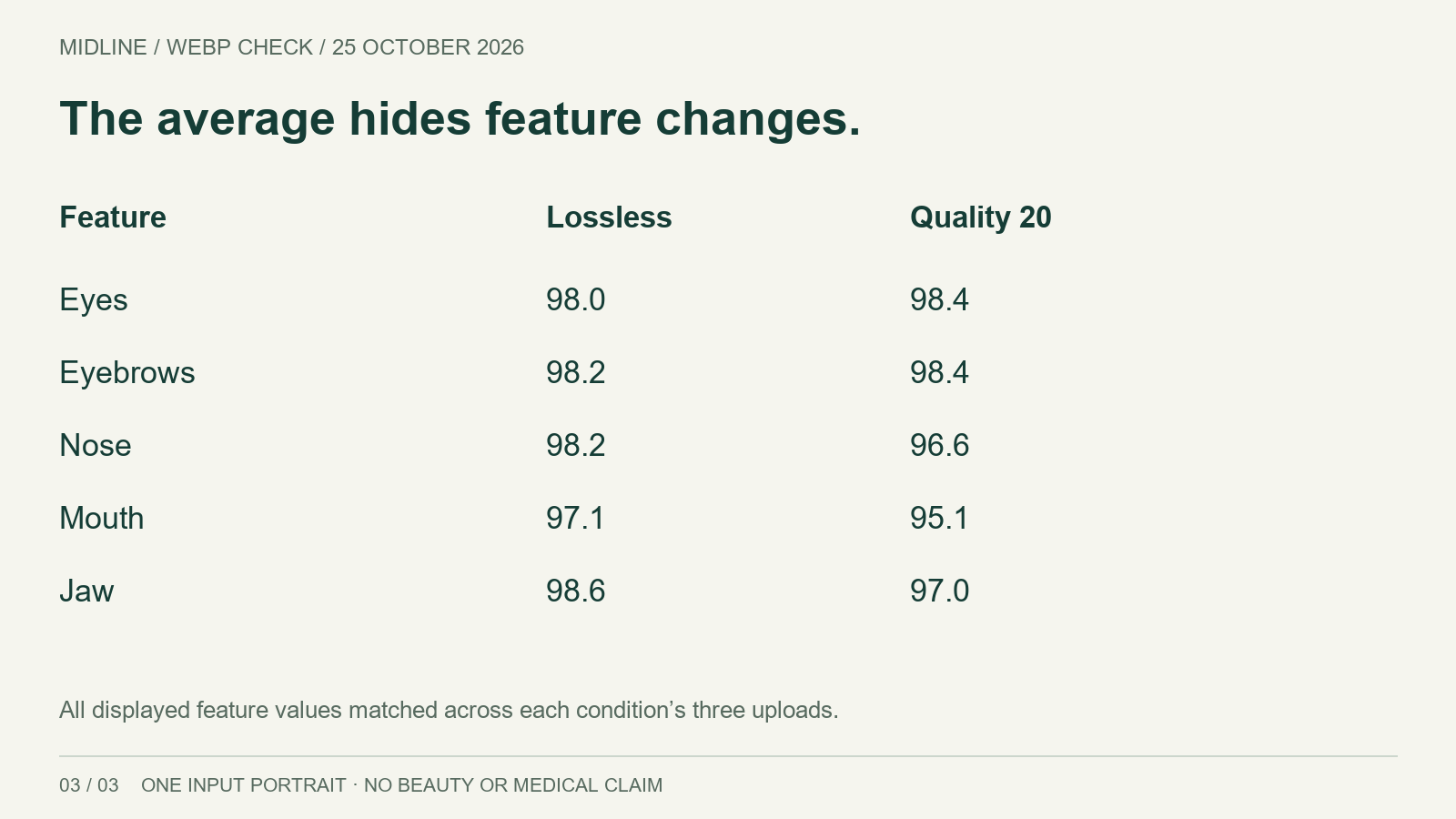
What this online check establishes
We selected lossless three times, then quality 80 three times, then quality 20 three times in the same production Chrome tab. Each attempt reached “Analysis complete.” We recorded the total and five features after completion. The observation file includes tested app/model hashes and input hashes.
All inputs remained below the tool’s longest-edge resize cap. The comparison did not deliberately change resolution. That separates this question from our resampling experiment; it also differs from changing pixel tone curves.
The pattern is consistent with the detector responding differently to different decoded inputs, but we did not record or compare landmark coordinates in these runs. We cannot identify which internal step caused each change, quantify accuracy, or generalize the size of the effect to other portraits.
This is one face, one prepared size, one browser session and one implementation. There was no randomized order, population sample, clinical reference or ground-truth landmark annotation. Matching repeats show displayed repeatability here, not validation of a normal score.
Use the original when comparing readings
For a same-file check, reuse the original file rather than repeatedly saving it through an editor or messaging service. For a new capture, keep device, camera position, expression and light consistent. Inspect the detected overlay and all features. These practices make the conditions clearer; they do not guarantee an accurate anatomical measurement.
Open the face symmetry test to upload your photo on the same page as the method overview. The photo-variable guide links the other cases. This page targets a distinct question about a symmetrical face test online: what happened when we changed WebP encoding.
Questions and direct answers
Does WebP always lower a face symmetry score?
These three encodings produced totals 98.0, 97.9 and 97.1 for this portrait. That ordering is an observation, not a rule for every image or encoder.
Are quality 80 and quality 20 compression percentages?
No. They are lossy encoder settings recorded for these files. They do not describe facial symmetry, percent accuracy or a measured percentage of information removed.
Did compression make this person’s face less symmetrical?
We changed files, not facial anatomy. The tool estimates geometry in the input photograph. This experiment cannot establish a physical change, beauty rating or health assessment.
Evidence and replay files
Full observations, hashes and conditions · Prepared protocol · Lossless input · Quality-80 input · Quality-20 input. Public source portrait: NASA astronaut Eileen Collins, distributed as scikit-image astronaut data. No participant photograph was uploaded.